
Gracious palazzos and countryside borgos
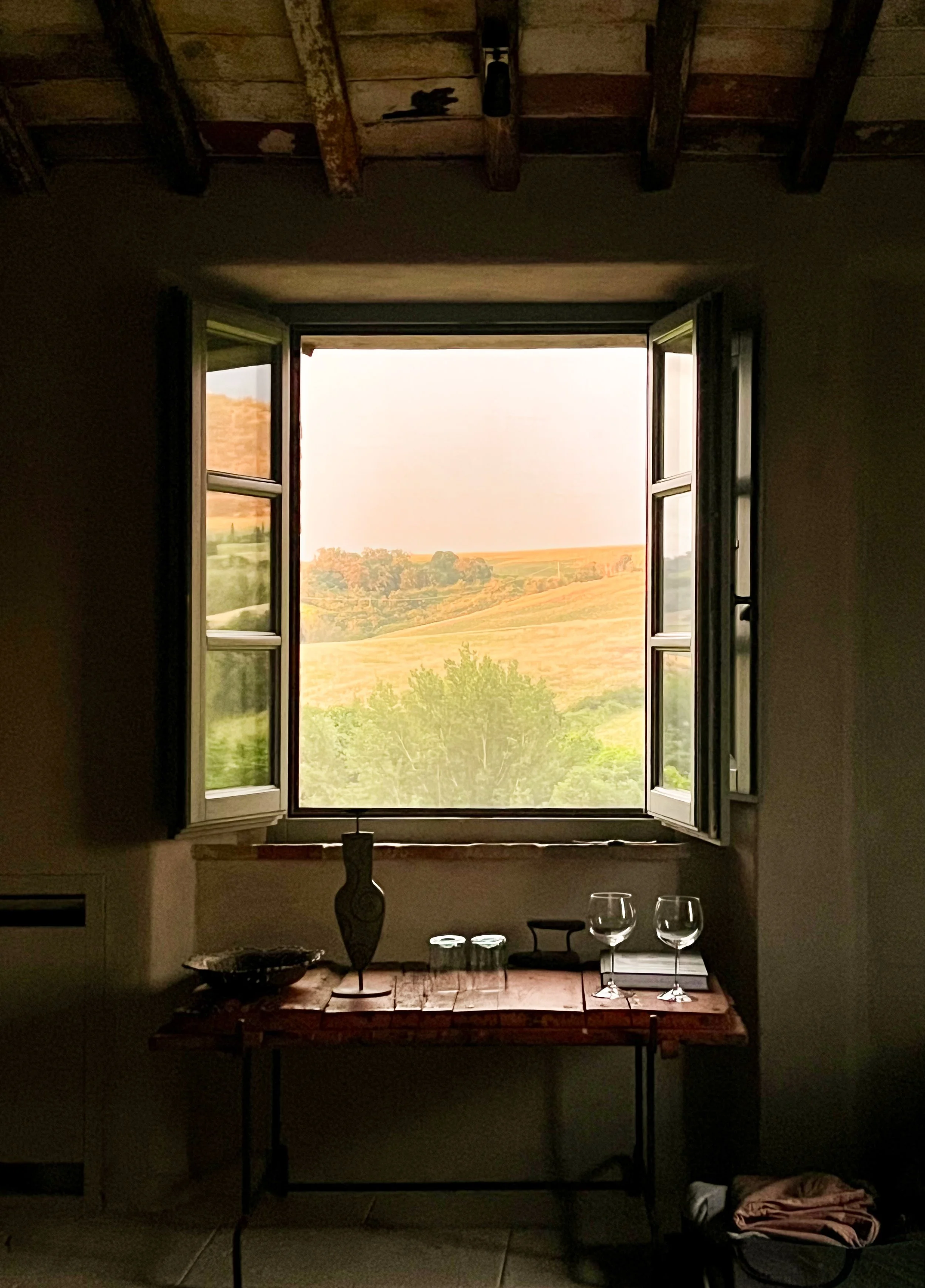
Follonico, Torrita di Siena, Tuscany
If you would never utter the phrase “our hotel doesn’t really matter, it’s just a place to sleep”, then we’re the same kind of traveller.
And if the kind of travel we want is both chic and comfortable, then the choice of hotel is one of the most important decisions we’ll make in travel planning. Whether you want your hotel to be a calm refuge after a day of adventuring and discovering, or if you want the hotel be the travel experience in itself (think long, lingering breakfasts, a trip to the spa, and an afternoon lounging by the pool), making the right choice is key.
And selecting a hotel in Italy? It’s an understatement to say the country has a bewildering array of choices, at every size, every taste, every budget, and in every location.
I make my tailored recommendation of hotels based on the particular needs and desires of each client. That said, after countless stays in Italy, here are the philosophies that guide me when selecting hotels for my personal travel.
I choose a finer hotel in a less over-exposed location.
Travellers to Italy often want to visit the destinations that they’ve heard about for years – dreamy places like Positano, Capri and Lake Como. These are locations of incredible beauty, with some of the most gracious hotels Italy has to offer. And there is absolutely something to be said for splurging to spend a few days experiencing these iconic spots.
But consider this – Italy has countless places of incredible natural beauty, history, food and culture. And many of these places are still relatively untapped by tourist crowds. That is not to say that they are without tourists, but rather they don’t have the international renown of, say, Lake Como, and therefore they command less exorbitant prices. In places like this, you can often find luxury hotels at much lower rates.
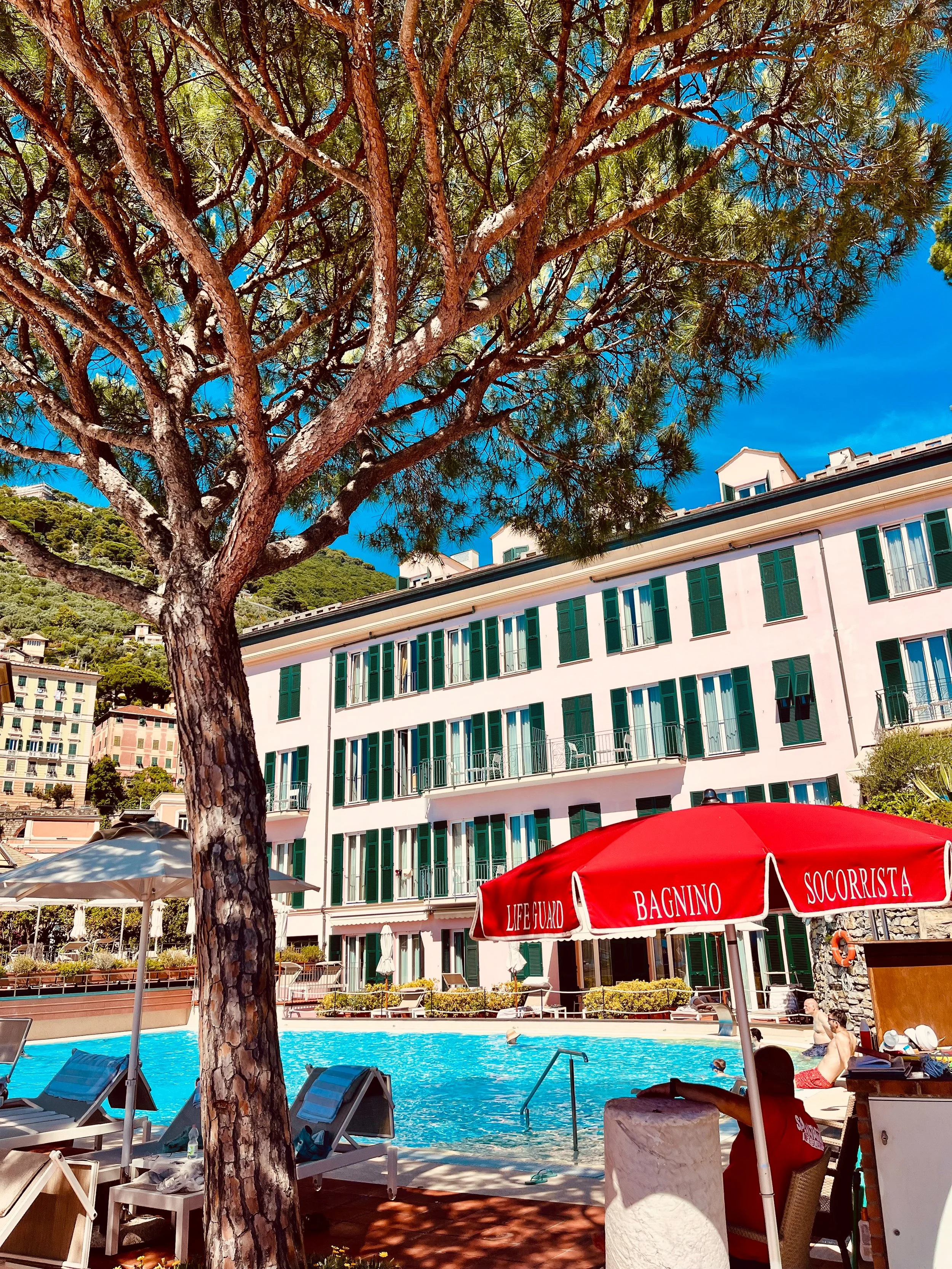
Hotel Cenobio dei Dogi, Camogli, Liguria
One example I love to share with clients is Hotel Cenobio dei Dogi in the town of Camogli on the Ligurian Coast (often called the Italian Riviera). I’ll share more about what makes this hotel noteworthy in a future post, but here I’ll say that it is certainly the finest hotel in Camogli. Camogli is a fishing village with all the beauty and charm of a Cinque Terre village, but without being over-touristed. It’s also just around the cape from Portofino, that glittering Italian Riviera seaside town that draws celebrities and billionaires. Just a few kilometres apart and reachable by boat or road, but the hotel prices are worlds apart.
It’s worth considering if there is an outstanding hotel experience waiting for you in a breathtaking Italian town you haven’t even considered yet.
The magic of a five-night stay
On every trip to Italy, I ensure that a least one stay (and ideally more if I have the time) is for five nights or more. Nothing will make a trip less relaxing or preventing you from connecting with the country than moving around every two nights.
There’s no luxury quite like unpacking your suitcase, hanging up your clothes, and laying all your cosmetics and skincare out on the counter. It’s a joy to say hello each day to the concierge, to the folks who serve breakfast and the lifeguard who tends the pool. It’s as if you develop the patterns of a mini residence. A walk through the neighbourhood each day after breakfast, a nap following the afternoon swim, Aperitivo at seven. Things slow to a languid pace when you’ve given yourself the gift of staying put for a while.
Of course, committing to longer one place ups the ante on making the right destination and hotel choice. That’s where I can help.
Old world charm over modern flash, every time.
This one is pure preference and I don’t expect to convince everyone, but for me, a quirky but elegant old Italian hotel beats a modern, corporate one every time. I’ll always opt for history and character over convenience. When I look around my hotel I like to know without a doubt, that I am nowhere but Italy.
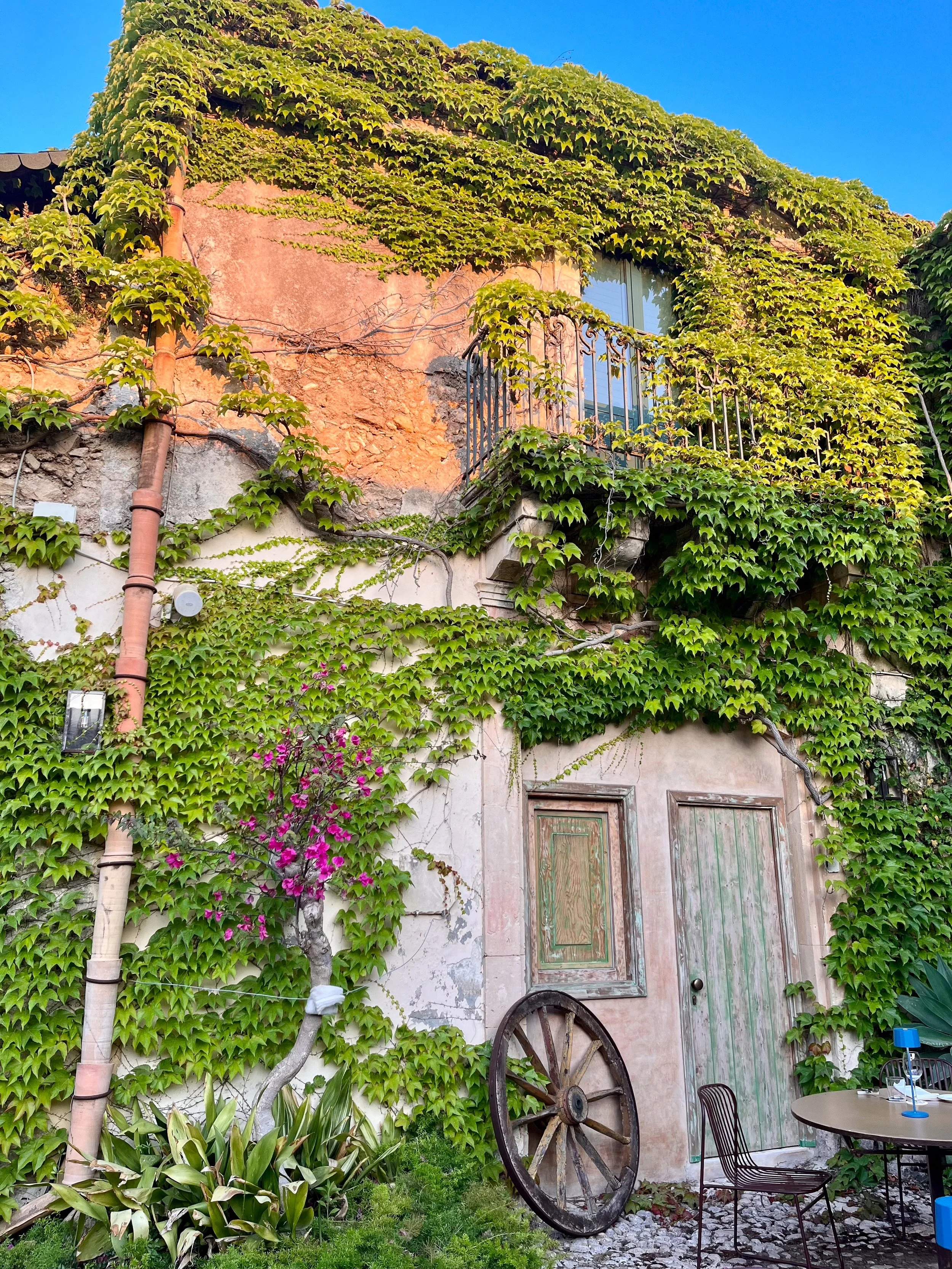
Baglio Siciliamo, a countryhouse in Noto, Sicily
For me, this means seeking out gracious city palazzos that have been converted into charming little hotels, seaside villas with a history that goes back a century or more, or a countryside borgo, with its cluster of stone-walled buildings.
I love the quirky antiques, the carpeted halls, the well-worn but grand staircases, the unexpected little corners of character. I’ve noticed that somehow all of this also seems to come with warmer, more personal service every time.
My favourites.
Over the coming posts, I’ll share with you some of my favourite Italian hotels, as well as a few I have my eyes on for future visits.